Office of Alzheimer’s and Dementia Care
Who We Are
The Office of Alzheimer’s and Dementia Care works to improve the lives of all New Mexicans affected by dementia and to support brain health across the state. We help people living with dementia, along with their families and caregivers, by building strong support systems. We share information and education about brain health, aging, and dementia to help people understand these conditions and reduce stigma. Our office also creates programs and policies to train workers, improve access to services, make care easier to manage, and reduce the financial stress dementia can cause for individuals, families, and communities.
Contact OADC if you have any questions or need assistance. OADC@altsd.nm.gov


What to do After a Diagnosis
A dementia diagnosis can feel very scary or overwhelming. But taking action early can help you manage the condition, keep a good quality of life, and plan ahead. It is important to work with your doctor to understand the type of dementia you have and to make a care plan that fits your needs.

Long-Term Care Planning
When someone is told they have dementia, planning for the future can feel scary and overwhelming. Making a long-term care plan is important so the person with dementia can help make choices about their healthcare, money, and legal needs while they are still able.
Caregiving
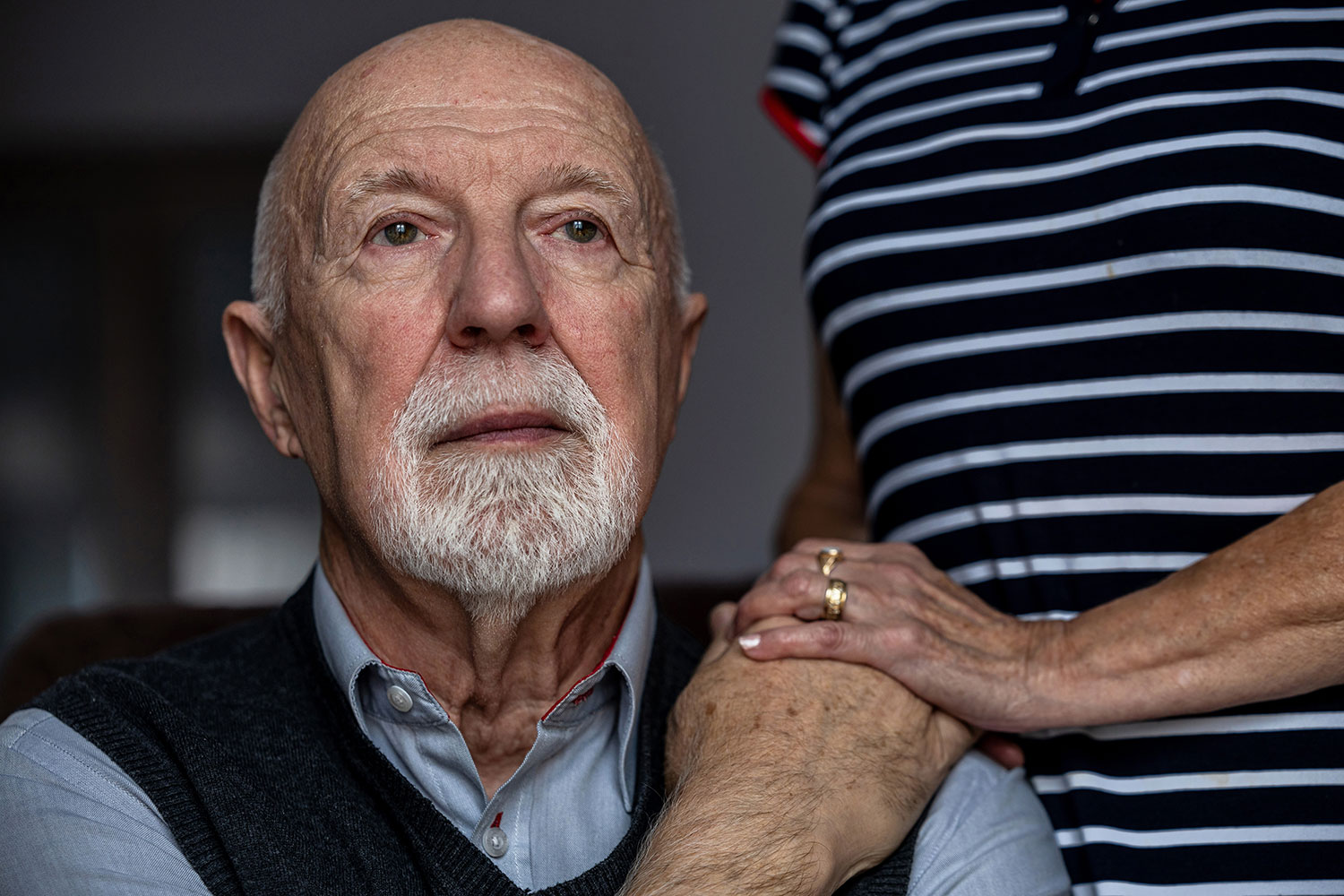
Being a caregiver for someone with dementia is a personal experience, but many caregivers go through similar situations.
Brain Health
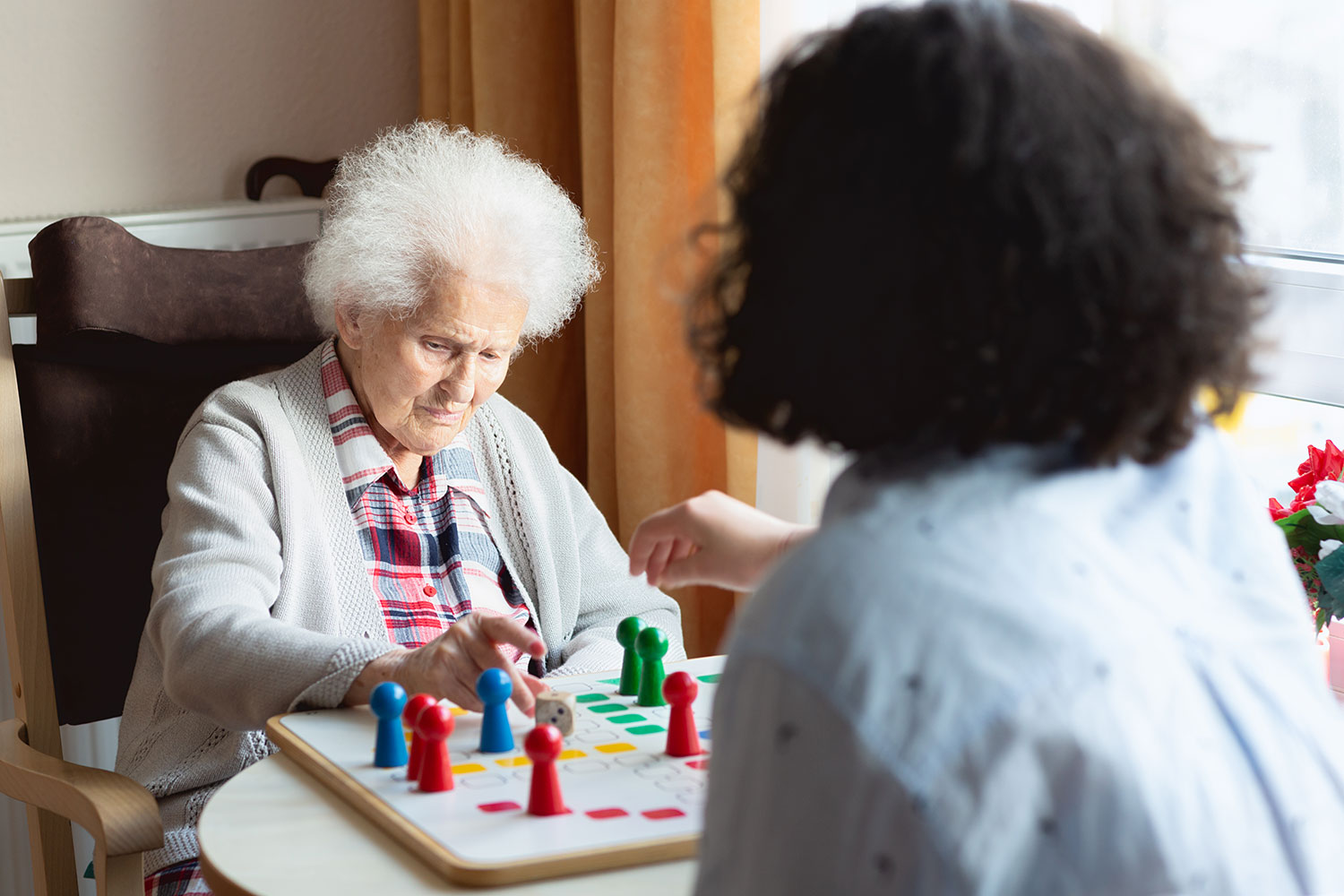
According to an article on the Mayo Clinic Connect website, brain health includes our thinking, movement, senses, emotions, and behavior. These aspects all play a role in how we act, think, feel, and connect with others.

Alzheimer’s Foundation Training
FREE Monthly Interactive Training Webinars. Training courses are open to professional and family caregivers.

Resource Library
Learning about Alzheimer’s and Dementia and the many resources available to assist is an important part of managing dementia. Explore local and national resources to help support your journey.
What is Dementia?
Dementia is a word used to describe many brain diseases that happen when brain cells are damaged or die. These diseases affect how the brain works. Symptoms of dementia can include problems with memory, thinking, speaking, and solving problems. These changes can make daily activities harder. Some people with dementia may also act differently, have trouble controlling their emotions, or show changes in their personality.
Dementia symptoms can be mild or severe. This depends on the type of disease, which parts of the brain are affected, and how the disease changes over time. While many people share similar symptoms, each person’s experience with dementia is different.
Having dementia-like symptoms does not always mean someone has a disease that will keep getting worse. Some conditions, like infections, side effects from medicine, or bleeding in the brain, can cause similar symptoms and may be treated. It is important to see a doctor if you or someone you love shows signs of dementia.
A dementia diagnosis can be very hard for individuals and families. Learning more about dementia and raising awareness can help people understand it better, find support, and adjust to changes.
There are different diseases that can cause dementia.
Alzheimer’s
Damages the brain cells in the areas responsible for our memory, language, and thinking, causing issues there first.
Vascular Dementia
Changes to thinking, memory, and behavior due to damage to the blood vessels, which disrupts the flow of blood and oxygen to the brain.
Lewy Body
Changes that cause problems with behavior, mood, thinking, and movement due to abnormal amounts of a certain protein, called Lewy bodies, that affect the chemicals in the brain.
Fronto-temporal Degeneration
It is a group of brain disorders that cause deterioration in the frontal and temporal lobes of the brain. These areas of the brain are responsible for and will cause changes in behavior, language, planning, organizing and/or movement. Most cases affect people between the ages of 45 -64.
Parkinson’s Disease Dementia
Parkinson’s mainly affects a person’s movement. As the disease progresses, changes in the brain can occur that affect memory and thinking.
Creutzfeldt - Jakob
Affects mainly people over the age of 60 Prions are infectious, misfolded proteins that cause fatal neurodegenerative diseases in humans and animals
Huntington’s
Rare, genetic and fatal disorder that causes progressive breakdown of the brain’s nerve cells. Usually starts in adulthood (30’s-40’s)
Wernicke- Korsakoff
Caused by vitamin B1 deficiency (Thiamine); often associated with alcohol use disorder.
Mixed Dementia
Often a mix of brain changes associated with Alzheimer’s and blood vessel problems (vascular dementia) or Lewy Bodies.
Please contact OADC if you have any questions or need assistance related to dementia. OADC@altsd.nm.gov