
Caregiving
Caring for a Loved One
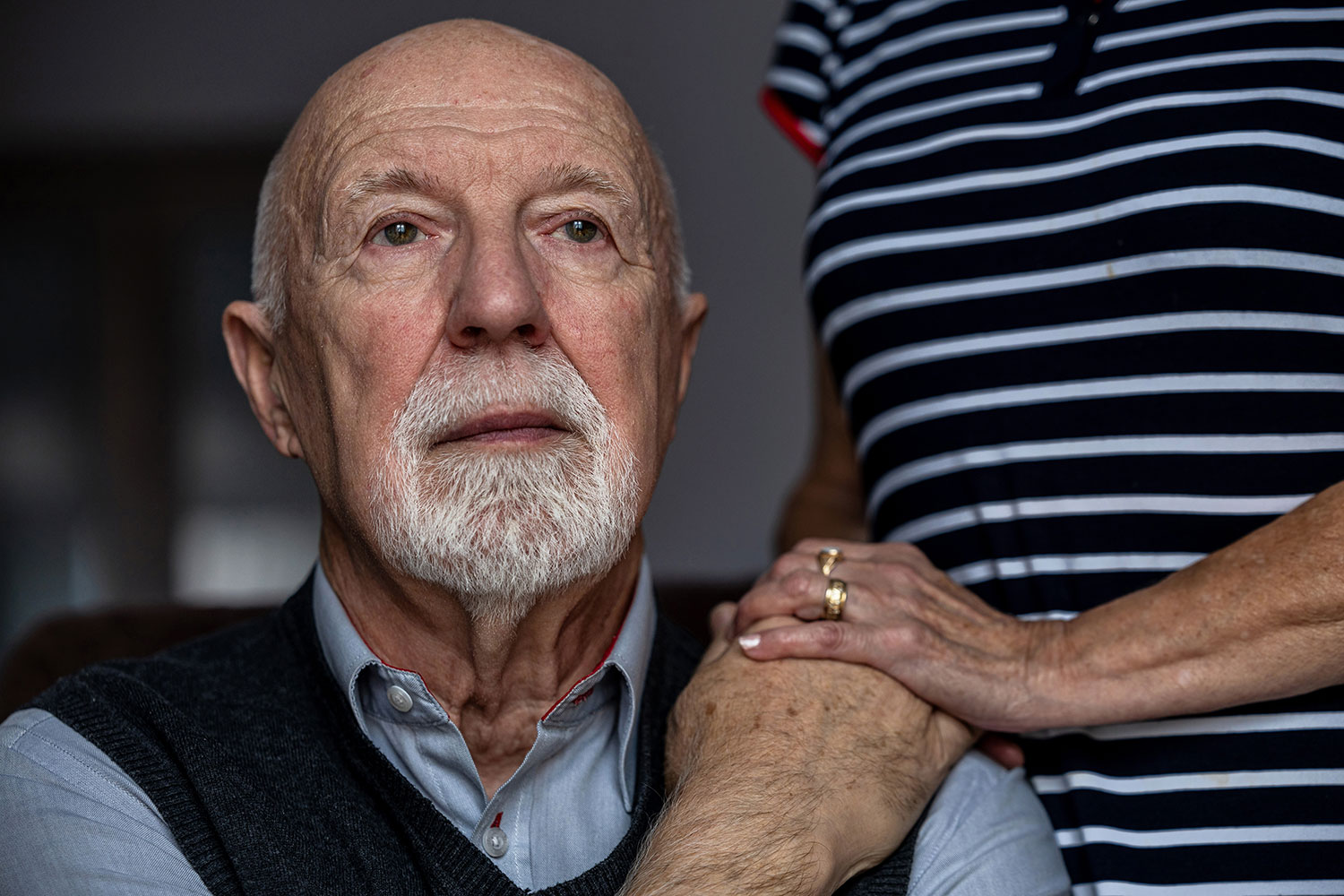
Caring for a loved one can bring many feelings that change from day to day. It can be rewarding, but it can also be hard, stressful, and tiring. Joining a support group, online community, or forum can help caregivers share their feelings, feel less alone, and get advice and comfort from others who understand. There are many support options online and in person, so it is important to find one that works best for you.
Caregiver Support Groups
- Alzheimer’s Association
24-hour helpline: 1-800-272-3900
New Mexico Chapter, Alzheimer’s Association
Alzheimer’s Association Support Groups (PDF) - The Association for Frontotemporal Degeneration
AFTD Find Support - AARP
AARP Caregiving Support Groups - Family Caregiver Alliance
Family Caregiver Alliance Support Groups - Family Caregiver Center of New Mexico
505-494-4021
Current Support Groups — Family Caregiver Center of New Mexico - Hilarity for Charity
Support Groups — Hilarity for Charity - Lewy Body Dementia Association — National Support Groups
LBDA Local Support Groups - Memory Care Alliance — Santa Fe
505-310-9752
Programs — Memory Care Alliance, Santa Fe - Santa Fe Eldercare Network
Santa Fe Eldercare Network - Santa Fe Parkinson’s Disease Action Group
Santa Fe Parkinson’s Disease Action Group - Brain Injury Association of America
Virtual Support Groups — Brain Injury Association of America - National Task Group on Intellectual Disabilities and Dementia Practices
Caregiver and Family Support Programs — The NTG
Respite Resource List
Respite is a short break from caring for someone who needs daily help. Caring for a loved one can feel meaningful, but it can also be stressful. It can affect a caregiver’s emotions, physical health, finances, and relationships. Research shows caregivers of people with dementia often experience higher daily stress because the illness is long-lasting and challenging.
Caregivers and care recipients should discuss respite soon after diagnosis and include it in the long-term care plan. Many people wait because care needs seem manageable at first. However, planning early allows the person receiving care to share their wishes, helps everyone adjust to a respite provider, reduces feelings of isolation, and encourages healthy self-care habits before burnout occurs.
Many caregivers wait too long to ask for help and become overwhelmed. There is no perfect way to manage this journey, but seeking support and practicing self-compassion can make it easier.
Respite may be provided by paid professionals, family, or friends, either at home or in a day center. The National Institute on Aging’s Coordinating Caregiving Responsibilities worksheets can help divide tasks among helpers. Additional caregiving tools are available on their website.
Cost and uncertainty about where to start often prevent families from finding respite care. The Family Caregiver Center of New Mexico can help you navigate your care plan at 505-494-4021 or info@familycaregivernm.org.
For help finding respite providers, visit the ARCH National Respite Network & Resource Center for guidance and resources. You may also review the respite registry list of day programs and home health agencies using the link below.
List last updated December 2024
Download the List of Respite Providers (PDF)
To add, update, or remove your name from the registry list, contact the Office of Alzheimer’s and Dementia Care at OADC@altsd.nm.gov.
Caregiver Self- Care and Tools
It is not possible for one person to provide constant care for someone with dementia. Many people find it hard to ask for help because they worry about being a burden or feeling weak. However, everyone needs support at different times in their lives, and asking for help is a part of being human. If you are a caregiver, it’s important to recognize what you need and communicate that to others. When someone offers help, be specific about what you require, and consider making a list so they can choose how they can help.
Caregivers often wear many hats, such as being a spouse, parent, or employee, which can make their responsibilities feel overwhelming. Balancing these roles while caring for someone with dementia can lead to feelings of stress and frustration. Setting boundaries is essential; this means knowing your limits and discussing them with others to share responsibilities more evenly.
Finding outside support can also be beneficial. Joining support groups or seeking therapy can help caregivers feel less alone and provide useful advice from others who understand the challenges of dementia care. Taking breaks, or respite, is crucial for caregivers to recharge. Planning enjoyable activities during this time can lead to greater satisfaction. Simple goals, like spending time with friends or engaging in hobbies, can make a big difference in your well-being.
Taking care of yourself is important, but it can be hard to make the time to do it.
Tools for Self-Care
It’s always good to have a safety plan for when you feel overwhelmed.
- Caregiver Care Packet and Emergency Plan
Download the Care Packet (PDF) - Caregiving Responsibilities Worksheet
Download the Worksheets - 5 Senses Grounding Technique
Download the Worksheet (PDF)
Easy mindfulness techniques to calm yourself
It can be hard to calm ourselves down and stay in the moment when we feel overwhelmed. Try out different activities — it may take trying a few; maybe it’s one thing or maybe you find a few ways that help. Simple activities can include breathing exercises, taking a short walk, standing outside, thinking of a happy place or person, singing, and more. There is no right way to do this; it’s what feels and works best for you.
Caregiving Tips
- AARP: How to Avoid 10 Common Caregiving Mistakes
- AARP: AARP Resources for Caregivers and their Families
- Alzheimers.gov: Tips for Caregivers and Families of People With Dementia
- Alzheimer’s Foundation of America: The Apartment: A Guide to Creating a Dementia-Friendly Home