Brain Health
What Is Brain Health?
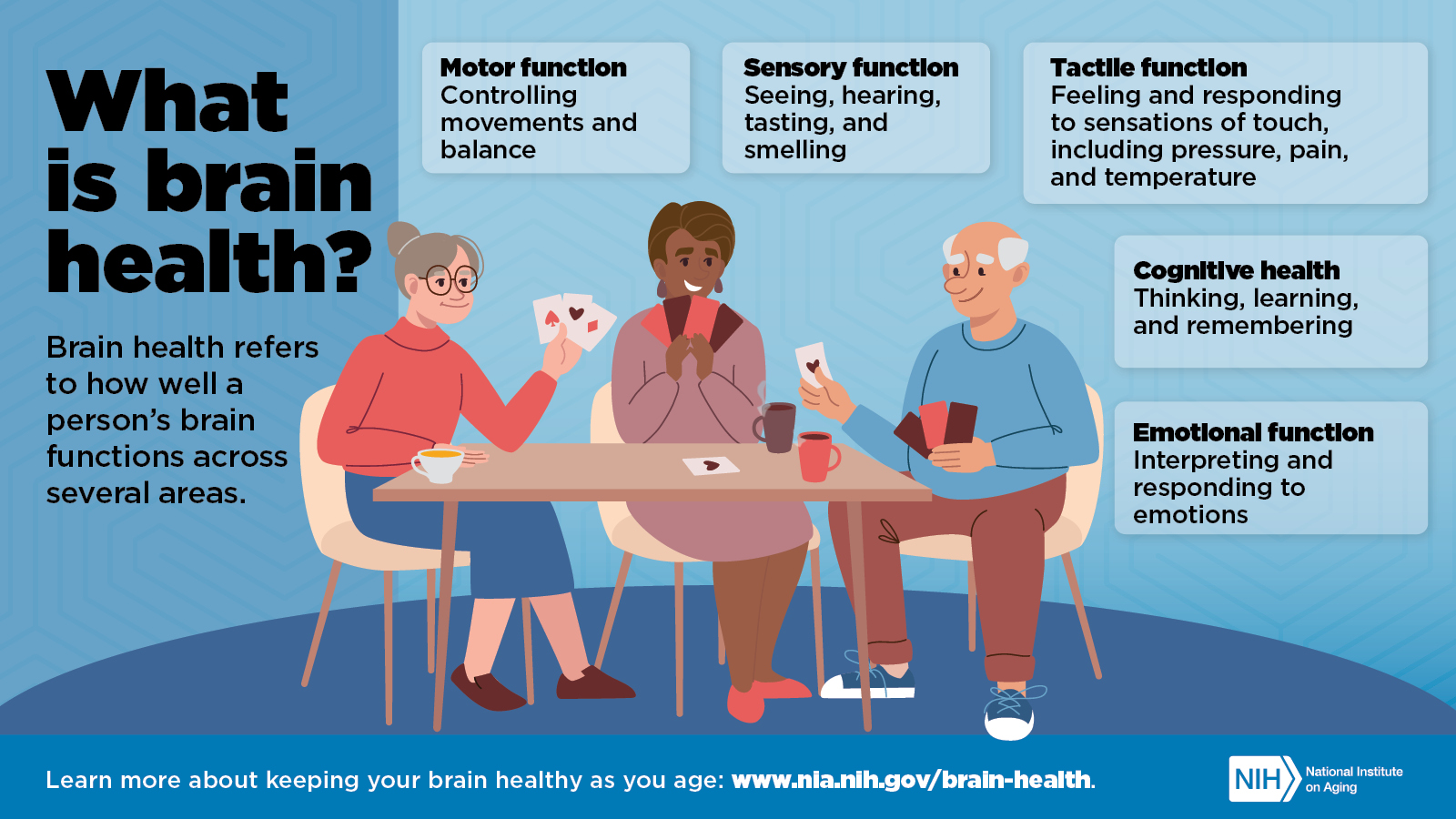
There isn’t just one way to define brain health. According to an article on the Mayo Clinic Connect website, brain health includes our thinking, movement, senses, emotions, and behavior. These aspects all play a role in how we act, think, feel, and connect with others.
What Can I do to Keep My Brain Healthy?
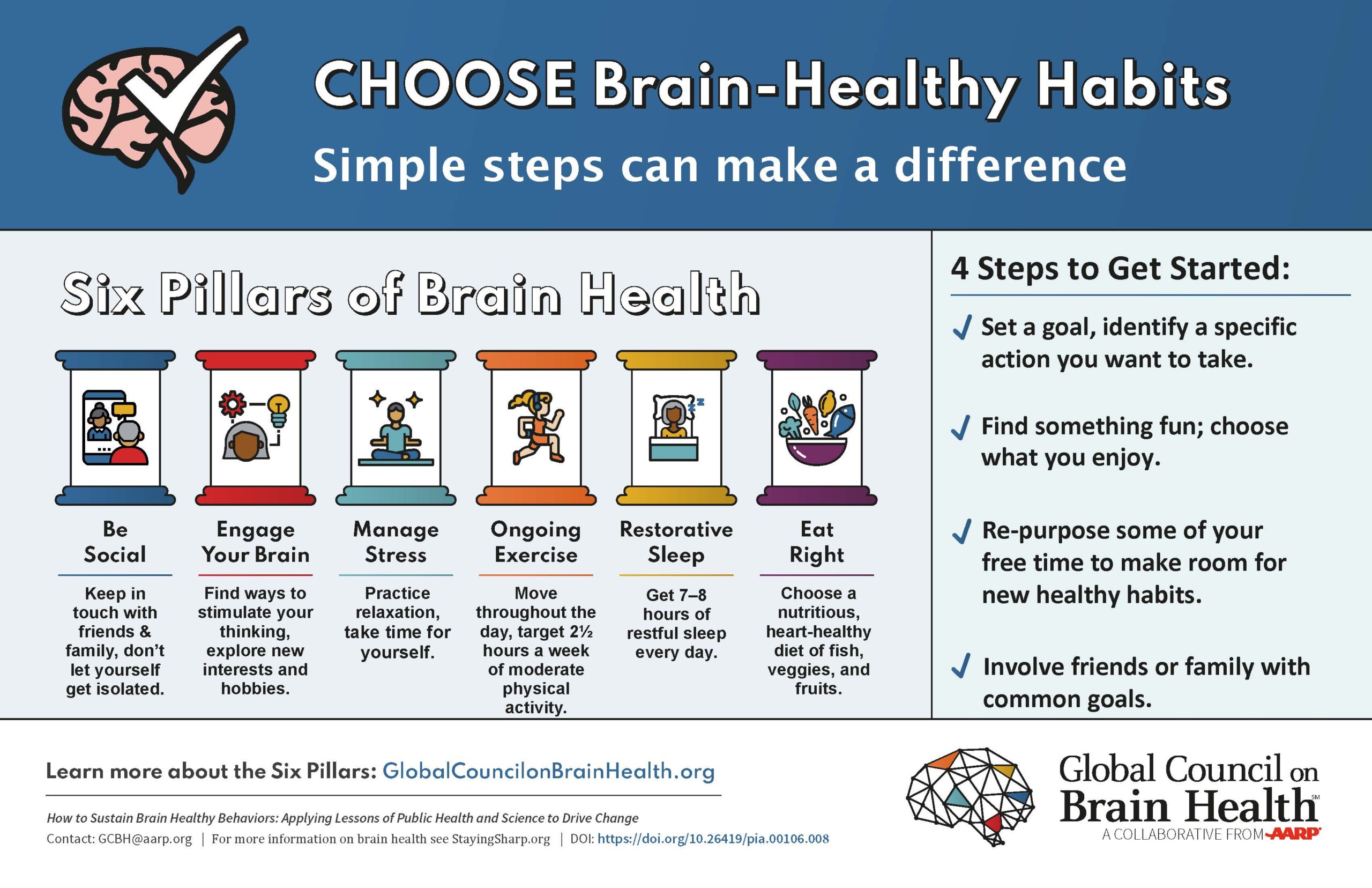
Lifestyle and genetics are crucial factors in brain health. We can’t do anything about our genetics, but our lifestyle choices are up to us. Simple changes can make a difference.
Eating healthy is one of the best ways to improve our overall well-being , but what being healthy looks like is different for everyone. Our bodies need different nutrients depending on things like age, genetics, lifestyle and health conditions. Because of this, it is important to get personalized advice. By talking to your healthcare provider about your eating habits, you can learn about how your diet affects your brain health and energy. They can give you helpful tips to make sure you are getting the right foods for your needs.
Access to fresh food can be challenging. Please click on the link below to view nutrition services available for older adults in New Mexico
Nutrition – New Mexico Aging and Long-Term Services Department – ALTSD
Understanding the brain is the first step to keeping it healthy. This amazing organ is the most complicated one in our body and controls everything we do, from thinking and remembering to feeling emotions and moving our muscles. On average, the brain weighs about 3 pounds and is made up of 60% fat and 40% water, along with some salt, carbohydrates, and proteins. It also contains blood vessels and nerves. Together with the spinal cord, the brain forms our central nervous system, which helps regulate all our bodily functions
How Our Brains Work
Brain Anatomy and How the Brain Works | Johns Hopkins Medicine
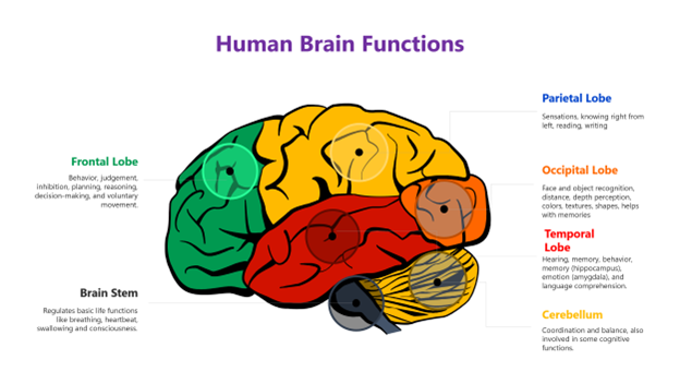
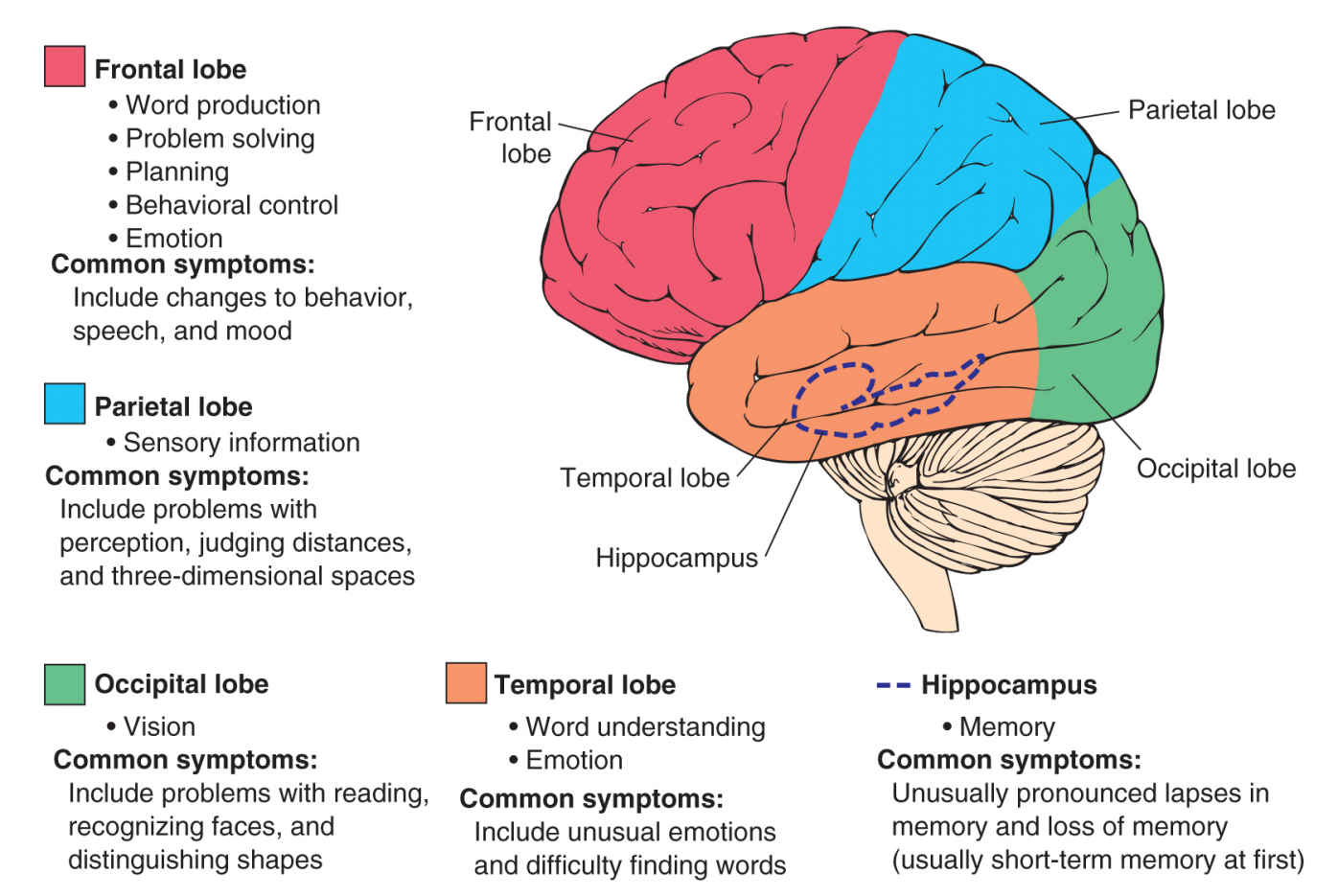
How Dementia Affects the brain
Source: https://neupsykey.com/the-scope-of-dementia-variants-symptoms-stages-and-causes/
Podcasts
Podcasts can give you helpful tips and the latest information on these diseases and resources available.
To help you learn more and find support, search for these topics and terms on your favorite podcast app:
- “Dementia caregiver support”
- “Alzheimer’s research news”
- “Memory care strategies”
- “Dementia Early Signs & Diagnosis”
- “Brain Health”
- “Alzheimer’s and Dementia behaviors”
Memory Screenings
Detecting brain health problems early can help people get the care they need sooner. Screenings are not meant to diagnose issues; instead, they are a helpful first step to see if a full medical check-up is necessary. It’s important to talk to your doctor if you have any worries about your brain health. The Alzheimer’s Foundation of America offers free and private memory screenings to assist with this. Additionally, the University of New Mexico Center for Memory and Aging is a top research center focused on understanding brain conditions that affect thinking and behavior, especially in older adults.
Free Memory Screenings
Memory Screening | Alzheimer’s Foundation of America
Please click on the link below to find out more information on clinical care, research, participation in clinical trials and more.
Memory & Aging Center | Neurosciences | UNM Health System | Albuquerque, New Mexico
What To Do After a Diagnosis
For more information, clink on link below from the National Institute on Aging
https://www.nia.nih.gov/health/alzheimers-and-dementia/steps-take-after-dementia-diagnosis